

Session Wrestling
Safety Guide
Is session wrestling safe? Here's exactly what to know before you book — screening, intensity agreements, injury prevention, boundaries, and the red flags worth watching for.
Is Session Wrestling Actually Safe?
Short answer: yes, when it's approached the right way. Session wrestling involves genuine physical contact, which naturally makes safety a bigger question than it would be for, say, booking a massage — and that hesitation is completely reasonable, not something to feel embarrassed about.
The reality is that most problems in this space don't come from the activity itself — they come from skipping the basic groundwork: not verifying who you're actually booking with, not agreeing on intensity beforehand, not disclosing a physical limitation, or ignoring a boundary once things are underway. Handle those fundamentals properly, and session wrestling is a well-established, professionally run activity with a long track record of safe sessions across the female wrestling directory community.
The short version: Session wrestling is safe when you book through a verified athlete, agree on intensity and limits in advance, disclose relevant physical conditions honestly, and establish a clear stop signal. Most issues stem from skipping these steps, not from the activity itself.

Booking Safely — Verification and Screening
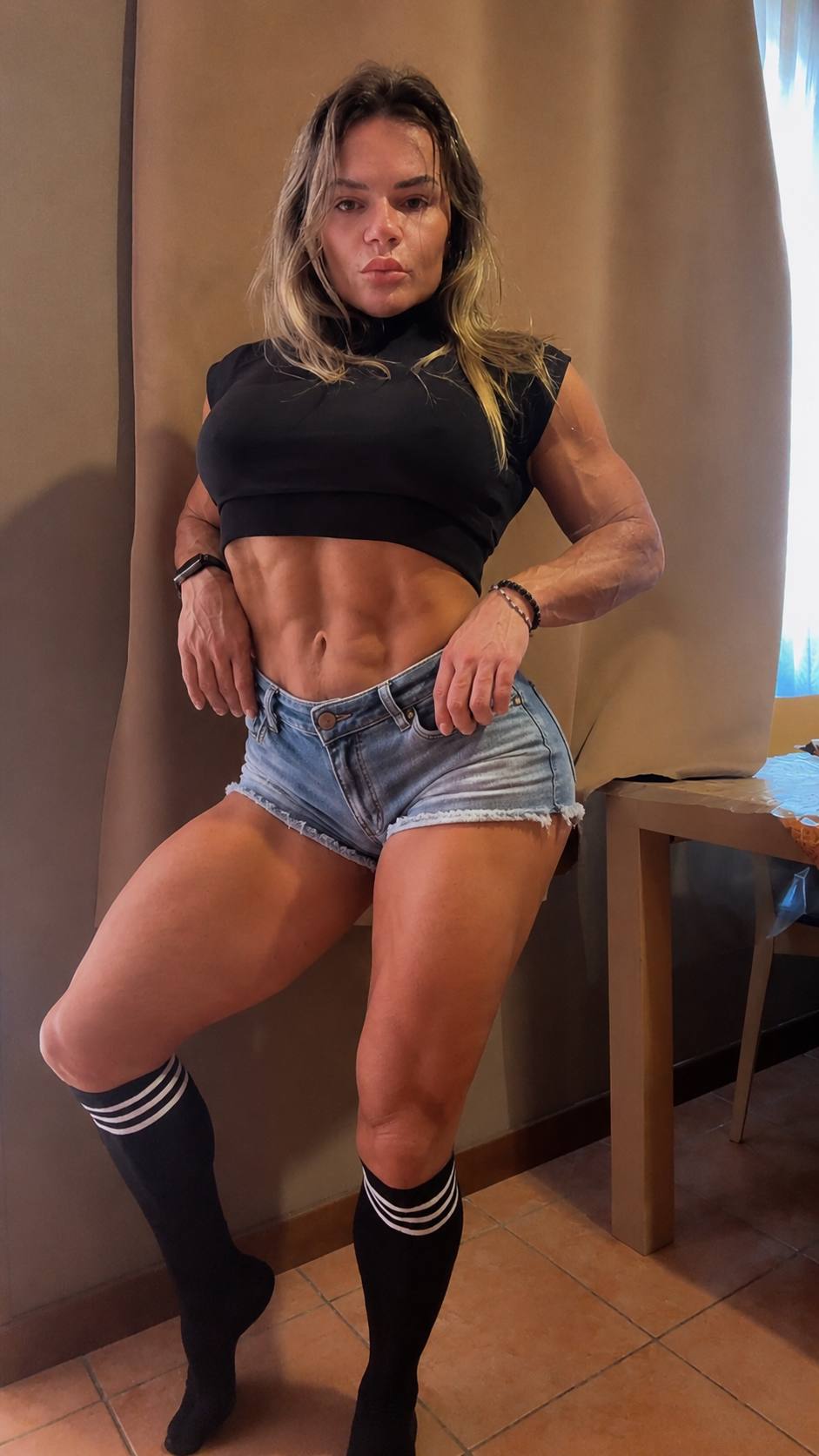
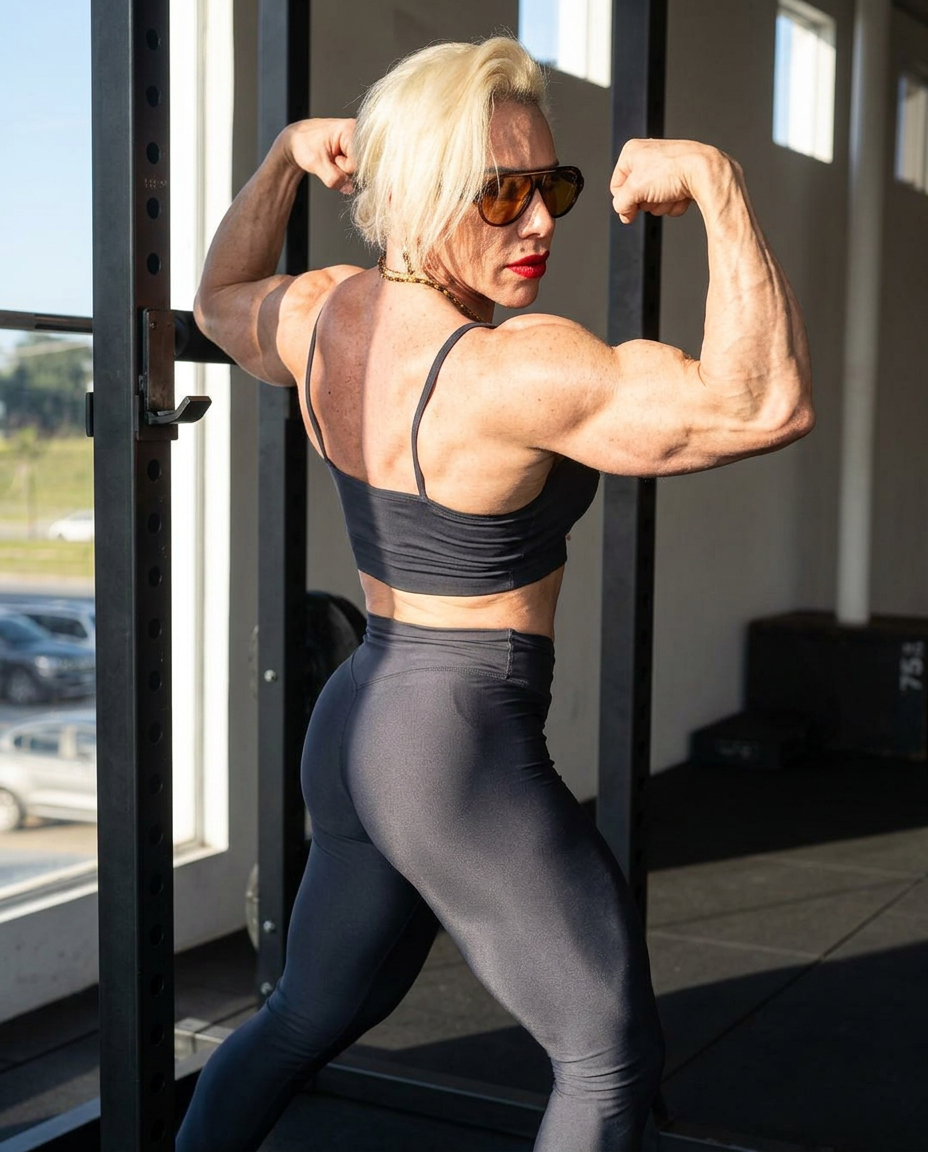
The single biggest safety factor is who you're booking with in the first place. Book through a proper female wrestling directory with verified profiles — consistent, real photos across multiple images, a clear format list, and a genuine online presence — rather than an anonymous ad or unsolicited message.
Expect the process to go both directions. Many professional athletes screen new clients before confirming a booking — this might mean a short call, a deposit, or basic verification of who you are. This isn't excessive caution on her part; it's a sign you're dealing with someone who takes the professional side of this seriously, and it should be treated as a good sign, not an inconvenience.
"An athlete who screens you is protecting both of you. Be wary of anyone who skips that step entirely and wants to move straight to booking."
Agreeing Intensity Before You Start
"Competitive" doesn't have to mean maximum effort, and "wrestling" doesn't have to mean rough. Intensity is always something to agree on in advance, not something to discover mid-session. Before you book, be clear about:
- Which format you're booking (fantasy, competitive, submission, mixed) and what that means for physical intensity
- Roughly how hard the athlete will be working — light, moderate, or full effort
- Whether the intensity can change mid-session, and how you'd signal that
A professional athlete will be comfortable having this conversation clearly and directly. If someone is vague or dismissive about intensity when you ask, treat that as a signal to look elsewhere.
What to Disclose Beforehand
Honest disclosure isn't awkward — it's what actually lets an experienced athlete adapt the session to keep both of you safe. Before booking, mention:
- Any joint, back, neck, or shoulder conditions, past injuries, or surgeries
- Cardiovascular conditions or anything that affects your exercise tolerance
- Your general fitness and activity level, especially if this is your first physical session of any kind
You don't need to over-explain or share more than is relevant — a short, direct note is enough. Athletes who do this professionally have heard it all before, and disclosure only ever works in your favor.
Stop Signals and Boundaries
Establish a clear, simple stop signal before the session starts — a specific word, or a tap-out if hands are occupied — that means stop immediately, no explanation needed. This applies even to lower-intensity formats like muscle worship, not just wrestling. Agreeing on this upfront isn't excessive or awkward; it's a standard, expected part of a professional session.
Just as important: the stop signal has to actually be respected the moment it's used. A professional athlete will always stop immediately when it's given. If a stop signal is ever ignored, that session should end there, and it's worth reporting or reviewing accordingly through whatever platform or directory you booked through.
Personal Safety Practices
- Let someone know your plans. Share your general schedule, location, and expected return time with a trusted friend — the same practice you'd use for any first-time in-person meeting arranged online.
- Confirm the location in advance. Know whether you're going to a studio or meeting at your own hotel, and confirm the address or arrangement in writing beforehand.
- Keep your phone accessible. Basic, obvious, and easy to forget once you're focused on the session itself.
- Trust your read of the initial conversation. If early messages feel evasive, pressured, or inconsistent, that's worth paying attention to before you commit to booking.
Staying Safe During the Session
Communicate Early, Not Late
If something feels off — too intense, too fast, uncomfortable in any way — say so immediately rather than waiting to see if it improves.
Don't waitUse Breaks Between Rounds
Most formats naturally include pauses between rounds or holds — use these moments to check in on intensity or raise anything that needs adjusting.
Natural checkpointsRespect Applies Both Ways
Just as you disclose your limits, respect hers — her boundaries around formats, contact, or intensity are non-negotiable, the same as yours should be.
Mutual respectRed Flags to Walk Away From
- Pressure to skip screening or move fast. A legitimate athlete has no reason to rush you past basic verification steps.
- Requests for unusual upfront payment through untraceable methods before any real conversation. Be cautious of anyone asking for full payment before establishing basic trust.
- Refusal to confirm format, location, or rate in writing. Vagueness on these basics before you've even booked is a bad sign for how the session itself will go.
- Rates dramatically below the local norm. Can indicate an unverified or fake profile — cross-check against a proper directory.
- Dismissiveness about intensity, limits, or stop signals when you raise them. A professional will always take these conversations seriously.
If any of these come up, it's completely reasonable to walk away from that particular booking and look elsewhere — there's no shortage of legitimate, professional athletes across the directory.
After the Session
A good session usually closes the way it opened — a brief, friendly conversation and a clear end point. If anything genuinely went wrong, most directories and platforms have a way to leave feedback or report an issue — using that channel helps keep the broader community safer, for both future clients and other athletes.
Safety FAQ
Is session wrestling safe?
Yes, when booked through a verified athlete, at an agreed intensity level, with clear communication and honest disclosure of any physical limitations. Most issues stem from skipping screening or ignoring agreed limits, not from the activity itself.
What should I disclose before a session wrestling appointment?
Any relevant joint, back, neck, or cardiovascular conditions, prior injuries that could be aggravated by contact, and your general fitness level. Honest disclosure lets the athlete adapt technique and intensity appropriately.
How do I know if a female wrestler's profile is legitimate?
Look for consistent, real photos across multiple images, a clear format list, stated or discussable rates, and a presence on a verified female wrestling directory rather than only an anonymous ad.
What is a safe word or stop signal in session wrestling?
A clear, simple word or tap signal agreed before the session that means stop immediately, no questions asked. Establishing this upfront is standard practice, even for lower-intensity formats.
Should I tell someone where I'm going before a session?
Yes — it's a reasonable personal safety practice to let a trusted friend know your general plans, location, and expected return time, the same as for any in-person meeting arranged online.
What are red flags when booking a session wrestling appointment?
Pressure to skip screening, requests for unusual upfront payment, refusal to confirm details in writing, rates far below the local norm, and reluctance to discuss format, intensity, or limits beforehand.
session wrestling safety · is session wrestling safe · session wrestling tips · session wrestling first time safety · female wrestling safety · muscle worship safety · wrestling session boundaries · female wrestling directory · session wrestling screening · session wrestling USA · muscle worship USA