
Session Wrestling
Formats Explained
Competitive vs fantasy vs submission wrestling — what each session wrestling format actually means, how they differ, and which one to book first with a verified female wrestler near you.
The Three Core Session Wrestling Formats
Ask ten different clients what a wrestling session is supposed to feel like, and you'll get ten different answers — because session wrestling isn't one thing. It's an umbrella covering several distinct formats, each with a different structure, intensity, and outcome. The three most fundamental are competitive wrestling, fantasy wrestling, and submission wrestling — and understanding the difference between them is the single most useful thing a first-time client can learn before booking.
Every professional female wrestler or female bodybuilder offering sessions through a proper female wrestling directory will list which of these formats she offers. Knowing what each one actually means — rather than guessing from the name — is what separates a session that matches your expectations from one that doesn't.
The short version: Competitive wrestling has no pre-agreed outcome — she genuinely tries to win. Fantasy wrestling follows a scripted narrative agreed in advance. Submission wrestling is grappling-focused, built around holds and technique, and can be run either competitively or with a pre-agreed structure.

Competitive Wrestling Explained
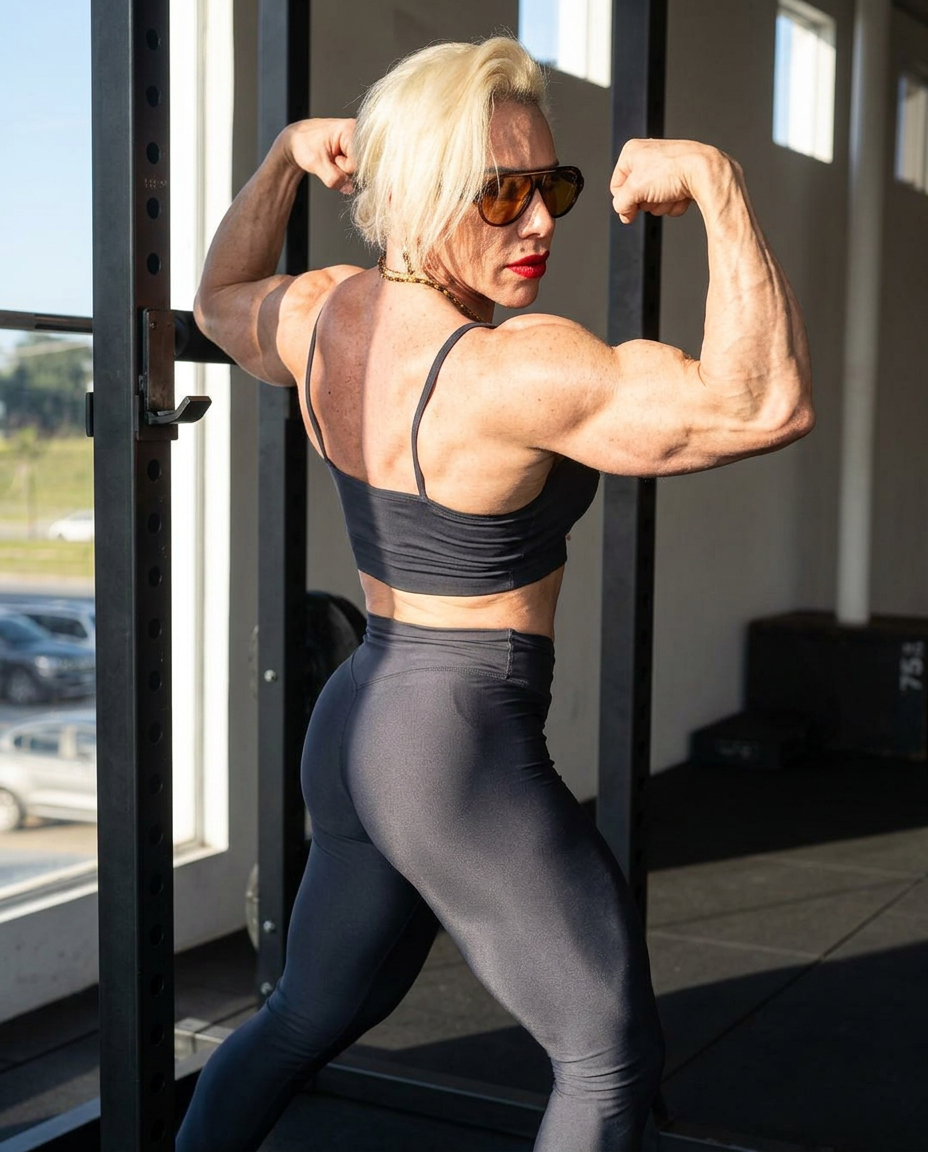
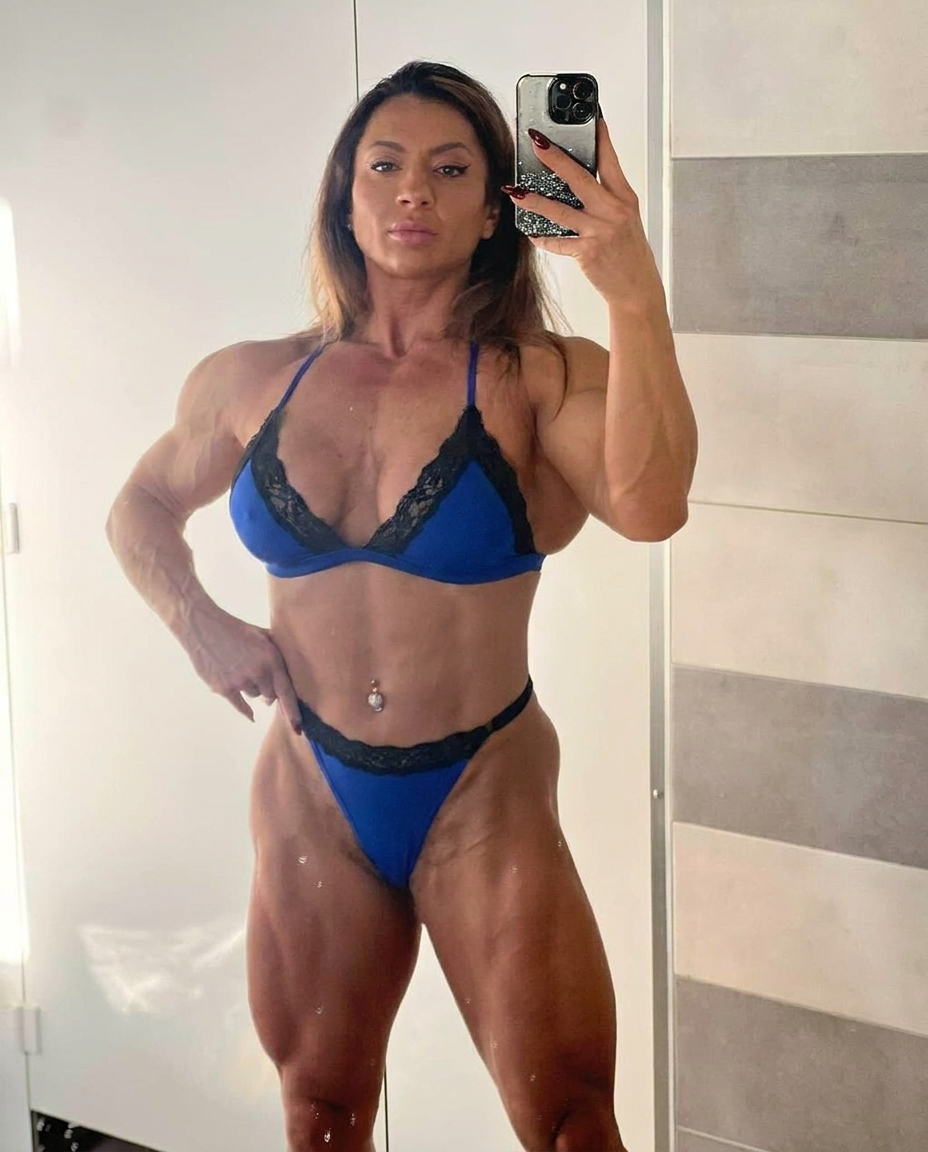
Competitive wrestling is exactly what it sounds like — there is no pre-agreed outcome. The athlete genuinely tries to win, using real technique, real effort, and real strength within an agreed intensity level and rule set. This is the format that gives clients the most authentic strength and skill comparison, because nothing is scripted and the result is produced entirely by what happens on the mat.
What competitive doesn't mean is "maximum effort by default." Intensity is always negotiated before the session — a competitive match can run at 30% effort or 100%, and the athlete adjusts accordingly. What stays constant across intensity levels is the honesty of the outcome: whoever wins the exchange wins it for real, not because it was written that way beforehand.
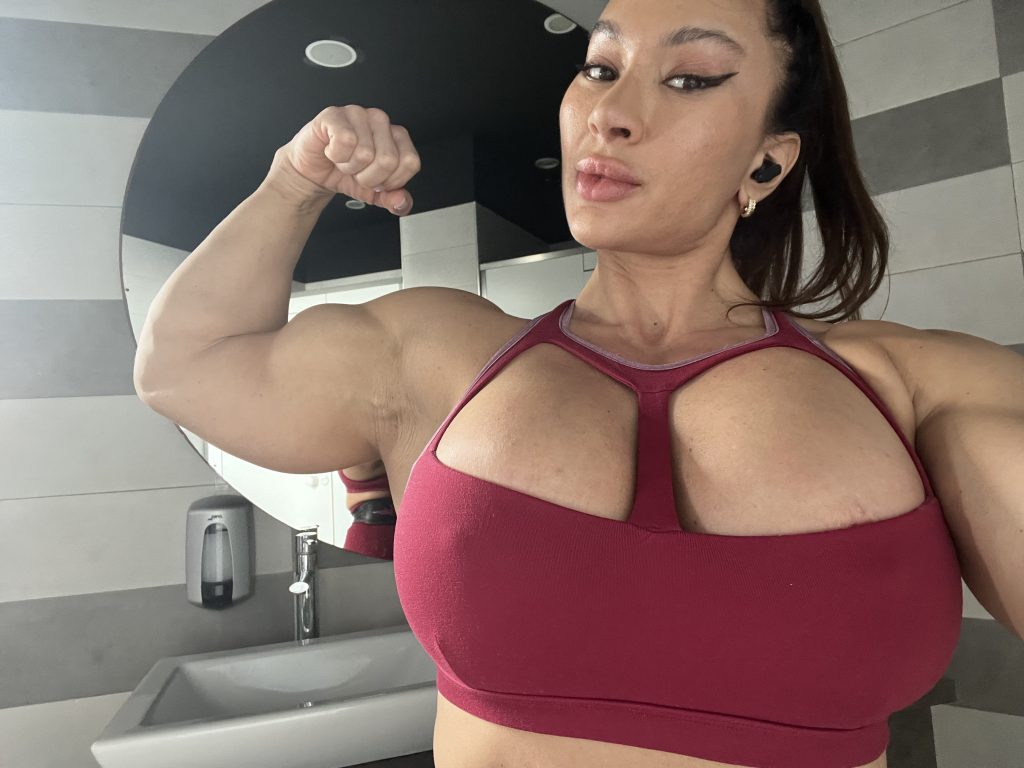
Clients drawn to competitive wrestling are usually looking for the most direct test available — a genuine measure of how a trained female wrestler or female bodybuilder compares to them physically and technically. It's the format most closely associated with female bodybuilder wrestling sessions, where an athlete's competition-level strength is put directly to the test.
"Competitive doesn't mean rough. It means real. The intensity is agreed — the outcome isn't."
Fantasy Wrestling Explained
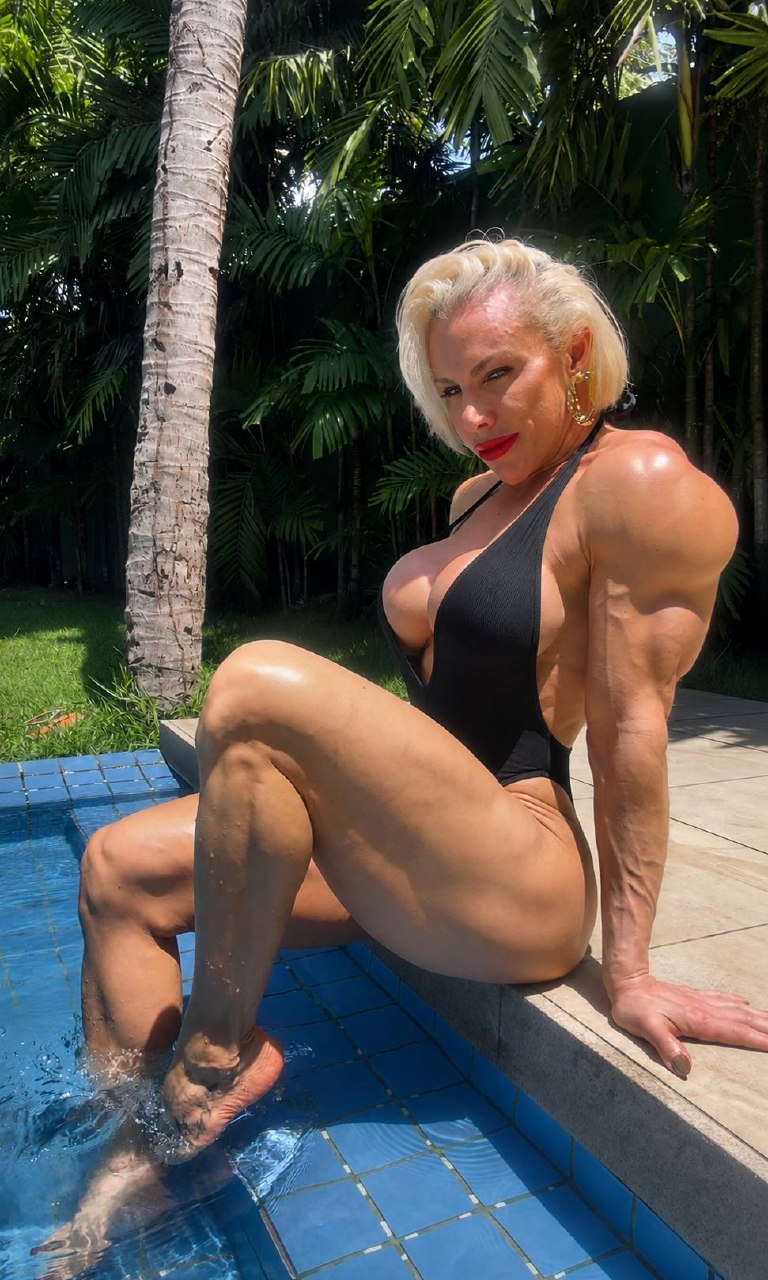
Fantasy wrestling is the opposite structure — the session follows a pre-agreed narrative, with key moments, turning points, and the outcome decided in advance. The athlete performs the script with full physical presence and athleticism, but the destination is known before the match begins.
This isn't a lesser or "fake" version of wrestling sessions — it's simply a different goal. Where competitive wrestling is about an honest test of strength and skill, fantasy wrestling is about building toward a specific experience or storyline the client has in mind. A scripted narrative lets a client explore a particular dynamic — an underdog comeback, a one-sided squash, a slow build to defeat — with more control over pacing and structure than a fully competitive match allows.
Fantasy formats are popular for first-time clients specifically because the predictability lowers the barrier to entry: you know roughly what's coming, which makes the whole experience easier to relax into.
Submission Wrestling Explained
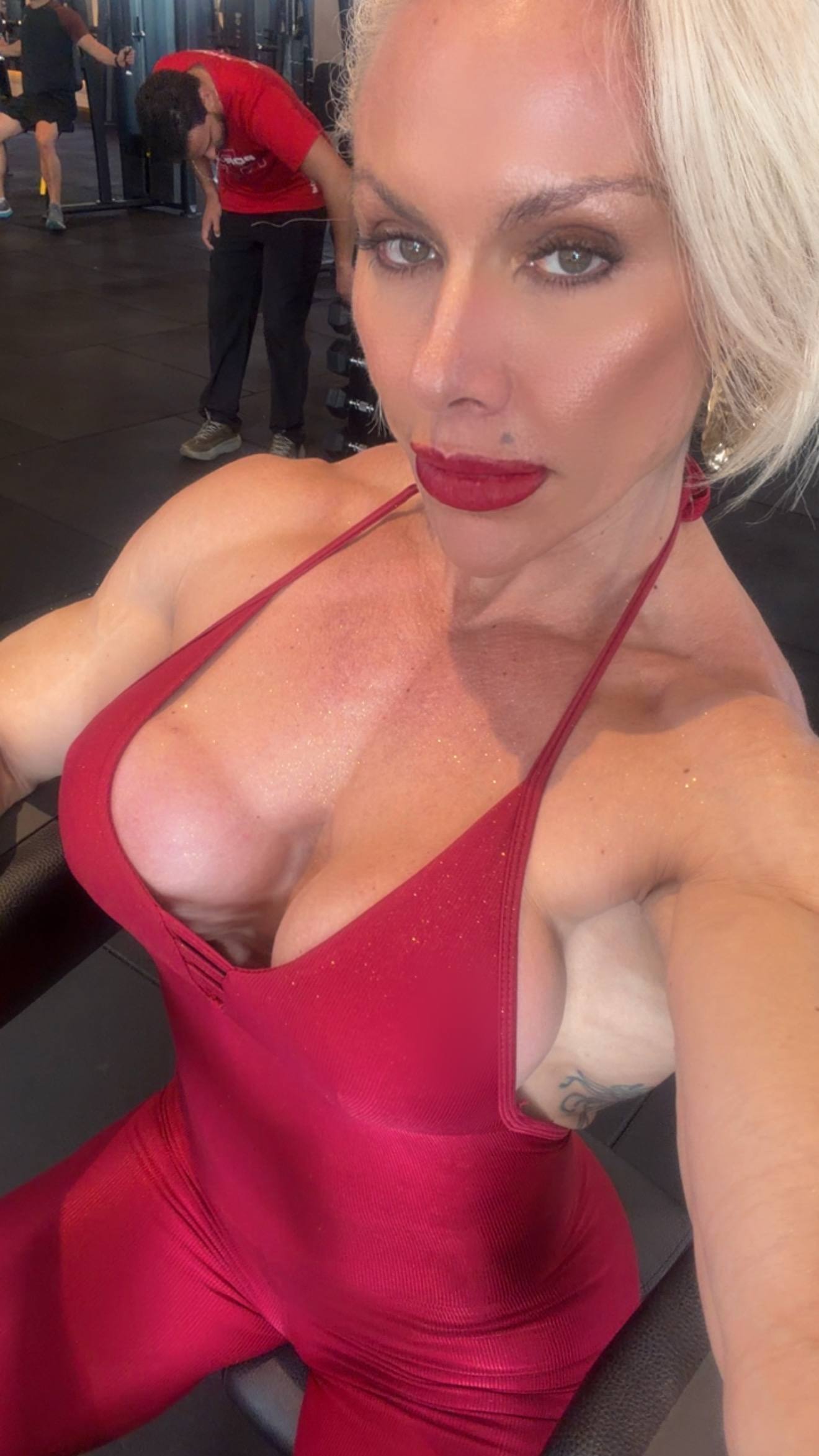
Submission wrestling is a grappling-focused format built around securing a hold the opponent cannot escape — chokes, joint locks, and pins applied within agreed limits, often drawing on genuine BJJ, judo, or catch-wrestling technique. It's less about the overall match narrative and more about the technical exchange itself: position, control, and the sequence that leads to a tap.
Submission wrestling can be run as a fully competitive format — the athlete genuinely working to secure the hold — or with a pre-agreed structure similar to fantasy wrestling. Many female wrestlers with real grappling backgrounds specialize in this format specifically because it showcases technical skill in a way that pure strength-based formats don't.
If you're specifically interested in technique — watching and feeling how a trained grappler moves through position to finish a hold — submission wrestling is usually the most rewarding format to request.
Side-by-Side Format Comparison
A quick reference for how the three core formats differ:
| Format | Outcome | Focus | Best For |
|---|---|---|---|
| Competitive Wrestling | Not pre-agreed — genuinely contested | Real strength and skill comparison | Clients wanting an honest, direct test |
| Fantasy Wrestling | Pre-agreed narrative and result | Storyline, pacing, specific dynamic | First-timers, clients with a specific scenario in mind |
| Submission Wrestling | Variable — competitive or structured | Technical grappling and holds | Clients interested in real technique |
Formats aren't mutually exclusive — many athletes are comfortable moving between them within the same booking. Ask directly which formats she offers before you book.
Other Formats You'll Encounter
Beyond the three core formats, most female wrestling directory listings include a few related formats worth knowing:
Mixed Wrestling
A wrestling format that specifically pits your strength directly against an athlete's — often used interchangeably with competitive wrestling, though it more specifically emphasizes the cross-gender strength dynamic.
Strength-focusedFemale Domination Wrestling
Wrestling with an added emphasis on the athlete's control and command of the encounter — the physical exchange is framed around her dominance rather than a neutral contest.
Control-focusedScissorhold Sessions
A specialized format centered specifically on leg scissor holds — a favorite among clients who want to experience an athlete's lower-body strength specifically.
SpecializedFemale Bodybuilder Wrestling
Any of the above formats specifically with a competitive female bodybuilder — combining genuine wrestling technique with FBB-level strength and conditioning.
FBB specificWhich Format to Book First
There's no universally "right" first format — it depends on what you're actually curious about. That said, here's how most first-time clients approach the decision:
- Want a predictable, comfortable entry point? Start with fantasy wrestling — you'll know roughly what to expect, which makes it easier to relax.
- Want the most honest test of strength and skill? Book competitive wrestling at a moderate, agreed intensity.
- Interested in technique and how real grappling works? Submission wrestling will show you the technical side most clearly.
- Specifically drawn to a competitive female bodybuilder's strength? Look for female bodybuilder wrestling or mixed wrestling listings.
Whichever you choose, tell the athlete you're new to session wrestling when you reach out — she'll recommend the right starting intensity and format for you specifically.
Combining Formats in One Session
Many experienced female wrestlers are comfortable moving between formats within a single booking — opening with a fantasy wrestling narrative to warm up the session, then shifting into a genuinely competitive round once both sides are ready, or blending submission wrestling technique into either. Longer bookings (60–90 minutes) are the most natural fit for combined-format sessions.
If you want to try more than one format, say so when you're booking — agree the rough split and sequence with the athlete in advance so the session flows naturally rather than switching abruptly mid-match.
How to Book the Right Format
Read the Athlete's Format List Carefully
Profiles in a proper female wrestling directory list exactly which formats an athlete offers — competitive, fantasy, submission, mixed, or a combination. Don't assume; check.
Decide What You're Actually Curious About
An honest test of strength points toward competitive. A specific storyline points toward fantasy. Genuine technique points toward submission. Be clear with yourself before you message.
State Your Format and Intensity Preference Clearly
When you contact the athlete, name the format you're interested in and ask about intensity ranges. Specific requests get better, faster responses than vague ones.
Confirm Everything in Writing
Agree the format, intensity, duration, location, and rate before you arrive. This is the single biggest predictor of a session matching your expectations.
Book Your Next Session With What You've Learned
Once you know which format resonates most, rebooking gets easier — you can request the same format again, try a new one, or ask to combine two in a longer session.
Find Session Wrestling Near You — 25 US Cities
Select your city to find verified female wrestlers offering competitive, fantasy, and submission wrestling sessions.
Session Wrestling Formats FAQ
What is the difference between competitive and fantasy wrestling?
Competitive wrestling has no pre-agreed outcome — the athlete genuinely tries to win using real technique and effort. Fantasy wrestling follows a pre-agreed script or narrative, with the outcome and key moments decided in advance.
What is submission wrestling?
A grappling-focused format where the goal is to secure a hold the opponent cannot escape — chokes, joint locks, and pins used within agreed limits, often drawing on real BJJ or grappling technique. Can be run competitively or with a pre-agreed structure.
Which session wrestling format should I book first?
Most first-time clients start with a fantasy or light competitive session, since intensity and pacing are more predictable. Submission wrestling and full competitive formats are usually recommended once you're comfortable with the basics.
Can formats be combined in one session?
Yes. Many experienced female wrestlers combine formats within a single booking — for example, opening with fantasy wrestling before shifting into a genuinely competitive round. Agree the format split with the athlete in advance.
Is competitive wrestling safe for beginners?
Yes, at an agreed intensity level. Competitive doesn't mean maximum effort — intensity is negotiated in advance, and most athletes start beginners at a lower, more controlled level regardless of format.
Do I need wrestling or grappling experience to book a session?
No experience is required for any format. Mention you're new to session wrestling when you contact the athlete, and she will recommend a format and intensity suited to a first-timer.
session wrestling formats · competitive wrestling · fantasy wrestling · submission wrestling · mixed wrestling · wrestling sessions · female wrestlers · female wrestling directory · female wrestler sessions · female bodybuilder wrestling · female bodybuilder wrestling sessions · FBB sessions USA · girlswithmuscle · girls with muscles · female bodybuilder · muscle mommy · bodybuilder woman · female domination · muscle worship · muscle worship USA · session wrestling USA